

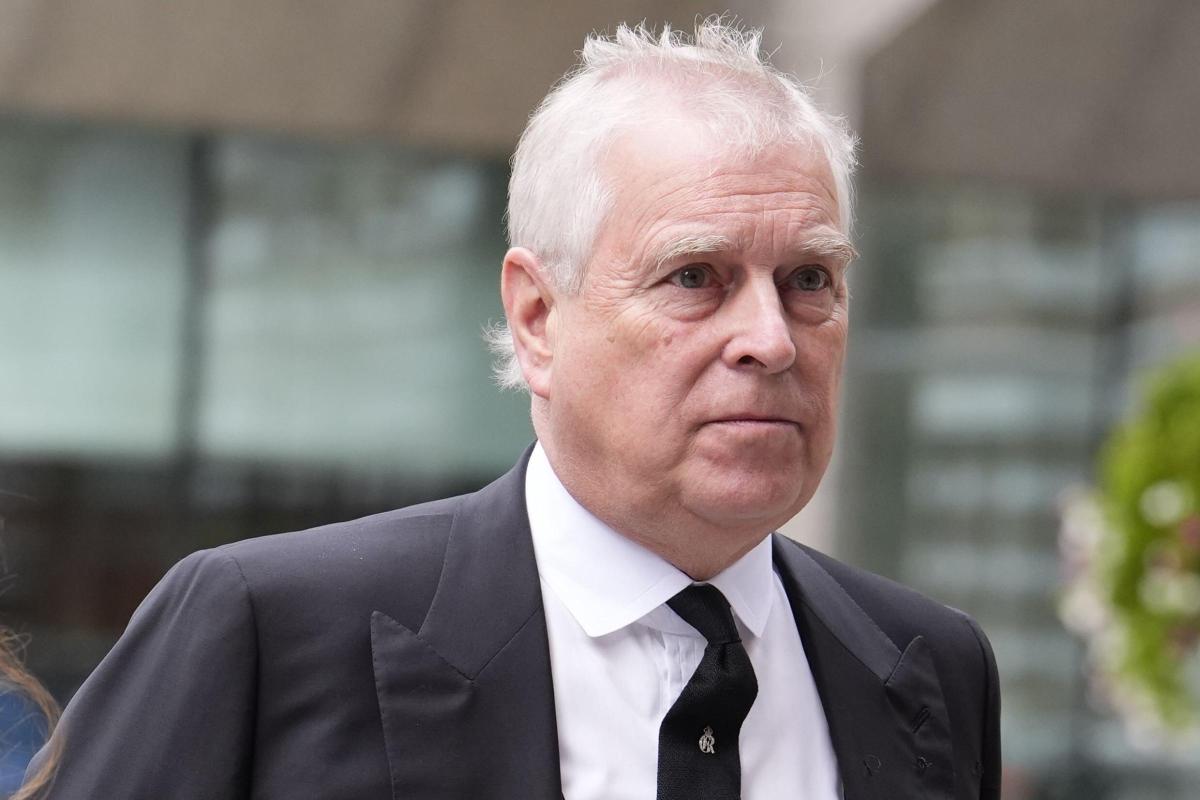

Andrew Mountbatten-Windsor can be called to give evidence in a High Court trial involving allegations of fraud made against a Turkish businessman, a judge has ruled.
Businessman Selman Turk is being sued by fellow Turkish national Nebahat Isbilen, with a trial in London expected to begin in November.
Mrs Isbilen alleges that Mr Turk, her former adviser, misled her over a £750,000 payment made to the then-duke in 2019, which was later paid back.
Mr Turk denies dishonesty and made a bid to be allowed to call Mr Mountbatten-Windsor to give evidence at the trial.
And in a judgment on Friday, Mr Justice Adam Johnson agreed and allowed Mr Turk to rely on a witness summary, as well as giving him permission to seek to call evidence from Mr Mountbatten-Windsor.
Witness summaries outline the potential evidence a party in proceedings believes a witness could give when they are unable to get them to get a witness statement from them.
He said: “Given the seriousness of the allegations, both on their own terms and in light of their wider impact, fairness requires that Mr Turk should be afforded an opportunity of putting forward his own case, using the evidence he considers relevant and material.”
The judge later said that his decision only meant Mr Turk could call evidence from the former duke, and that a witness summons “will likely” be needed to compel him to give evidence.
Mr Justice Adam Johnson said that although Mr Turk had been late to seek to rely on evidence from the former duke, the evidence from is “limited in scope” and can be accommodated in the 11-week trial.
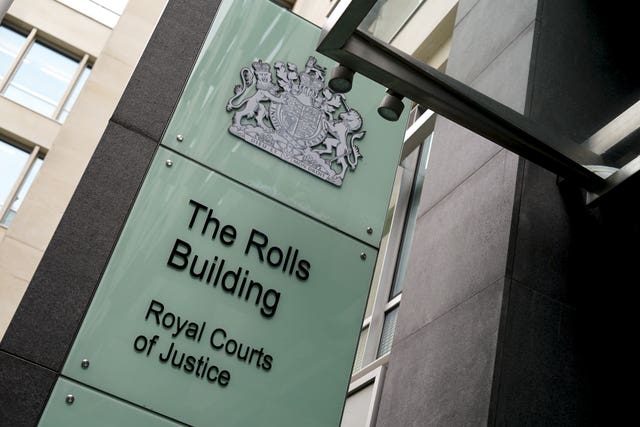
He added that while he assumed “no, or no serious attempt was made” by Mr Turk to contact Mr Mountbatten-Windsor, “I am content to find on the balance of probabilities that had he been asked, Mr Mountbatten-Windsor would have declined to provide a witness statement”.
The judge continued: “It is highly unlikely that a person in the position of Mr Mountbatten-Windsor would wish voluntarily to provide a witness statement and give evidence at a trial in public proceedings involving payments made by the wife of a person said to be a political prisoner in Turkey, in connection with a dispute about the reason the payments were made.”
Lawyers for Mrs Isbilen have previously told the court in London that tens of millions of her funds had been misappropriated, with Mr Turk then failing to explain where the money had gone.
The High Court was also previously told by lawyers for Mrs Isbilen that “money was used for purposes unconnected with Mrs Isbilen, eg, substantial sums were paid to Prince Andrew, Duke of York, and to Sarah, Duchess of York”.
In Friday’s ruling, Mr Justice Adam Johnson said it “has long been Mr Turk’s case” that the £750,000 payment was made on Mrs Isbilen’s own accord as she thought Mr Mountbatten-Windsor could help with her husband, who she claims has been the victim of political persecution in Turkey.
The court heard in 2023 that there had been a “settlement” between Mrs Isbilen and the then-Duke and Duchess of York.


Share