


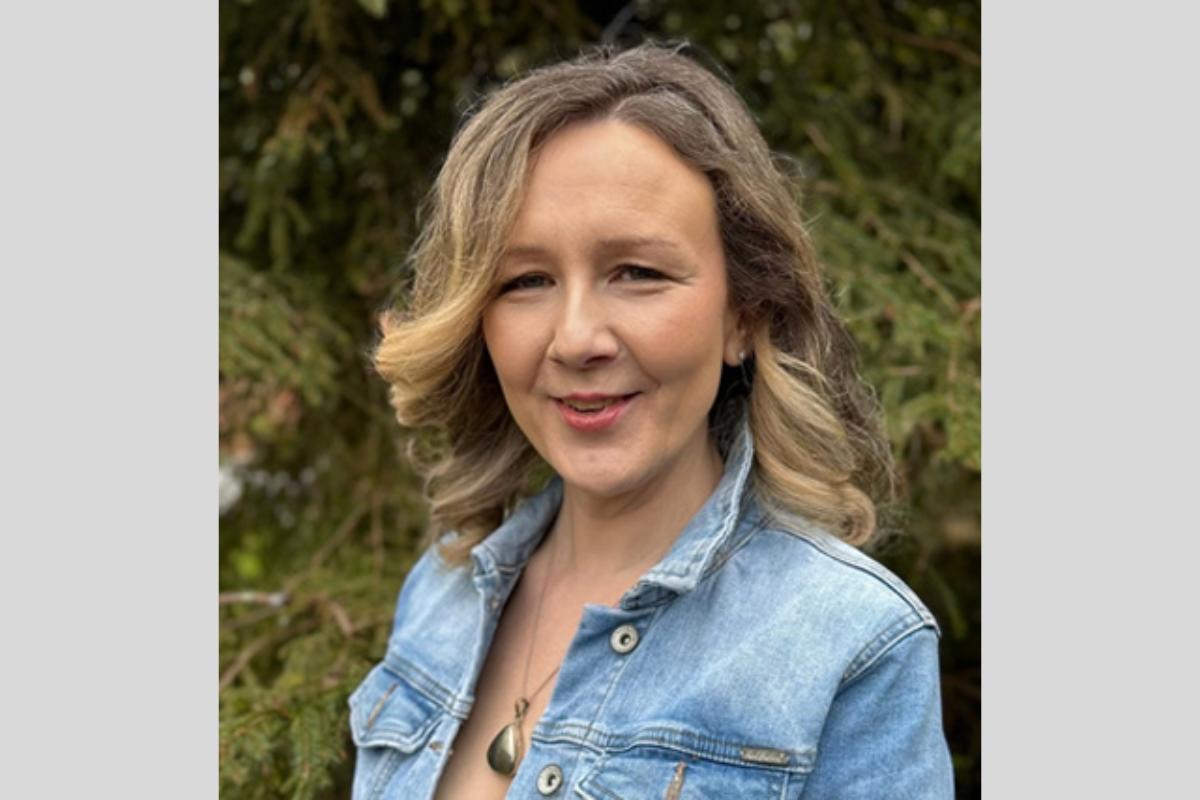

A WOMAN who experienced multiple sexual assaults is calling for a wider conversation around consent, bodily autonomy and recovery as part of efforts to tackle violence against women and girls.
The campaigner, Midnight New, who launched the 'Every Person. Every Time.' initiative, believes more needs to be done to prevent sexual violence before it occurs and to support survivors long after the immediate aftermath has passed.
Speaking as part of the Here for Her Safety campaign, a joint initiative between the Bournemouth Echo, Dorset Echo, Dorset Police and the Dorset Police and Crime Commissioner, she said public discussions often focus on the incident itself while overlooking the long-term impact sexual violence can have on a person's identity, confidence and relationships.

The Hampshire-based survivor has experienced multiple sexual assaults, including a drink spiking rape at 19.
She said: "It completely demolished the sense of who I was."
However, looking back, she remembers making a promise to herself.
She said: "I’m going to do something with this one day, to help others."
That thought stayed with her throughout years of rebuilding her life and understanding how the trauma had affected her.
READ MORE: Here for her Safety - Launch of campaign to tackle violence against women and girls
Today, it forms the basis of both her campaigning and her work supporting other survivors.
Her Every Person. Every Time. campaign focuses on what she describes as the entire journey of sexual violence, from prevention and protection through to recovery.
Central to the campaign is the principle of bodily autonomy.
She said: "Everyone has a right to their bodily autonomy.
"What happens to someone’s body should be understood and agreed to by them."
She is keen to stress that the responsibility for obtaining consent lies with the person initiating sexual activity, not with those who may be at risk of becoming victims.
Midnight added: "This is not about placing the burden on girls to say no more forcefully or protect themselves from assault.
"Responsibility for obtaining consent rests with the person initiating sexual activity."
As part of the campaign, she has identified what she calls four 'maps' where bodily autonomy should be understood and protected: prevention, consent, police contact and the justice process.
The first examines how society prevents abuse and exploitation from occurring, while the others look at how consent is understood, how victims are treated when reporting offences and how they are supported through the criminal justice system.
Alongside her campaigning work, she has also developed Foundation, a client-led programme designed to help women rebuild their sense of identity following trauma, abuse and sexual violence.
She believes this aspect of recovery is often overlooked.
Midnight said: "Rape can disrupt a person's sense of who they are and that loss of identity can affect every choice that follows.
"It's an identity bomb that goes off in someone's head.
"We talk about the incident, the investigation and sometimes the diagnosis.
"We talk far less about the person who no longer knows who she is afterwards."
Questions about trust, personal boundaries and self-belief can remain long after a case has ended, she said.
She added: "Appearing to have carried on is not the same as knowing who you are."
The campaign also challenges victim-blaming attitudes and what she describes as 'grey areas' that can emerge when the behaviour of victims is scrutinised instead of focusing on the actions of perpetrators.
By sharing her own experiences, she hopes to encourage greater understanding of sexual violence and help create a society where consent, dignity and personal autonomy are better understood and respected.
She said: "No one should have to endure harm to understand that life matters.
"We can build from that understanding now, into our relationships, our communities and the systems we rely on."
How to report rape, sexual assault or other sexual offences | Dorset Police


Share