



Bournemouth University has been awarded €1.5 million to lead a major research project tracing 10,000 years of seabird history across northern Europe.
The five-year study, funded by the European Research Council, will combine archaeology and conservation science to better understand long-term population changes and inform future conservation strategies.
Dr Sam Walker, a zooarchaeologist at Bournemouth University and project lead, said: "We aim to combine archaeology and conservation to investigate the long-term interactions between humans, the environment and seabirds.
"These birds are one of the most threatened groups of animals in the world, including much-loved species like puffins, terns and kittiwakes.
Read more
Pop legends to perform at Poole venue in 2027 as part of 40th anniversary tour
'You're on alert 24/7' : Dementia diagnosis delays hit carers' jobs and finances
Travel agent celebrating 40 years of serving communities across Dorset
Historic church in Dorset finally secures funds needed for urgent roof repairs
Property group strengthens residential portfolio with acquisition of three parks

"By studying ancient DNA, isotopes and archaeological remains, we can investigate how seabird populations have changed over thousands of years and identify some of the factors that have driven their decline."
The research will focus on northern European seabird populations and will involve analysing ancient bones to study changes in diet, migration, and geographic origin.
Researchers will also examine how climate change, environmental factors, and human activity have influenced seabird populations over millennia.
Seabirds are considered vital indicators of ocean health and have historically been important to coastal communities for food, livelihoods, and culture.
However, most current conservation efforts rely on short-term ecological data, limiting understanding of long-term trends and drivers of decline.
The Past Seabirds project aims to fill that gap by reconstructing population histories using archaeological science, ancient DNA, isotope analysis, and historical data.
Dr Walker said not all human interactions have been harmful and that the study will also explore positive historical relationships.
He said: "Not all human interactions with seabirds have been harmful.
"Understanding these historical relationships could help us identify ways that people and seabirds can coexist in the future."
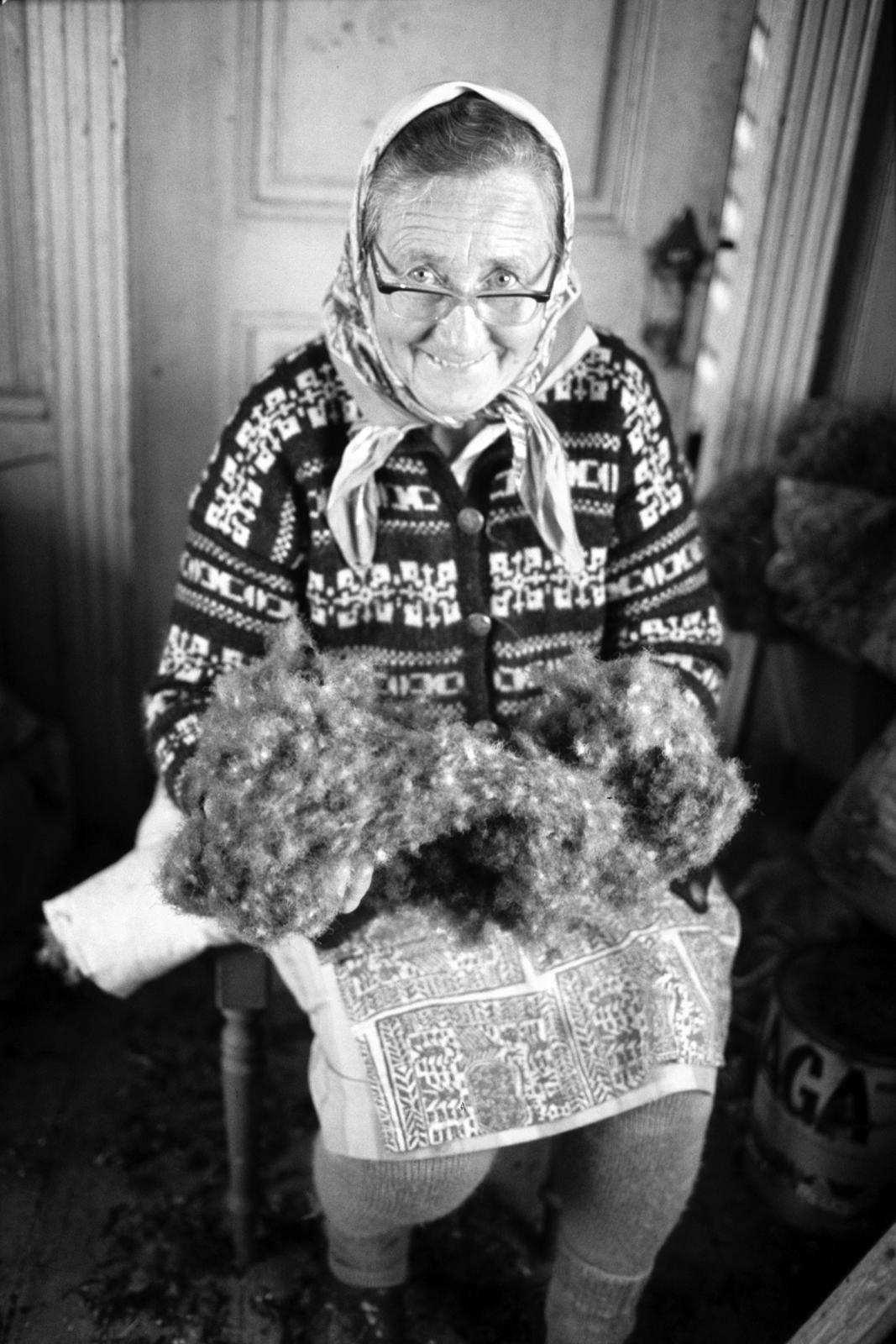
One example is traditional eiderdown harvesting in Iceland and Norway, where communities protected nesting eider ducks in exchange for collecting their naturally shed down.

The University of Oslo is one of several collaborators on the project helping to investigate ancient DNA of puffins and eiders.
Sanne Boessenkool from the university’s Department of Biosciences said: "The Past Seabirds project brings together many different kinds of data.
"This approach to study long-term trends in seabirds is unique and will help us build a much clearer picture of how seabird populations have changed over thousands of years."
The project will involve researchers from across northern Europe.


Share