


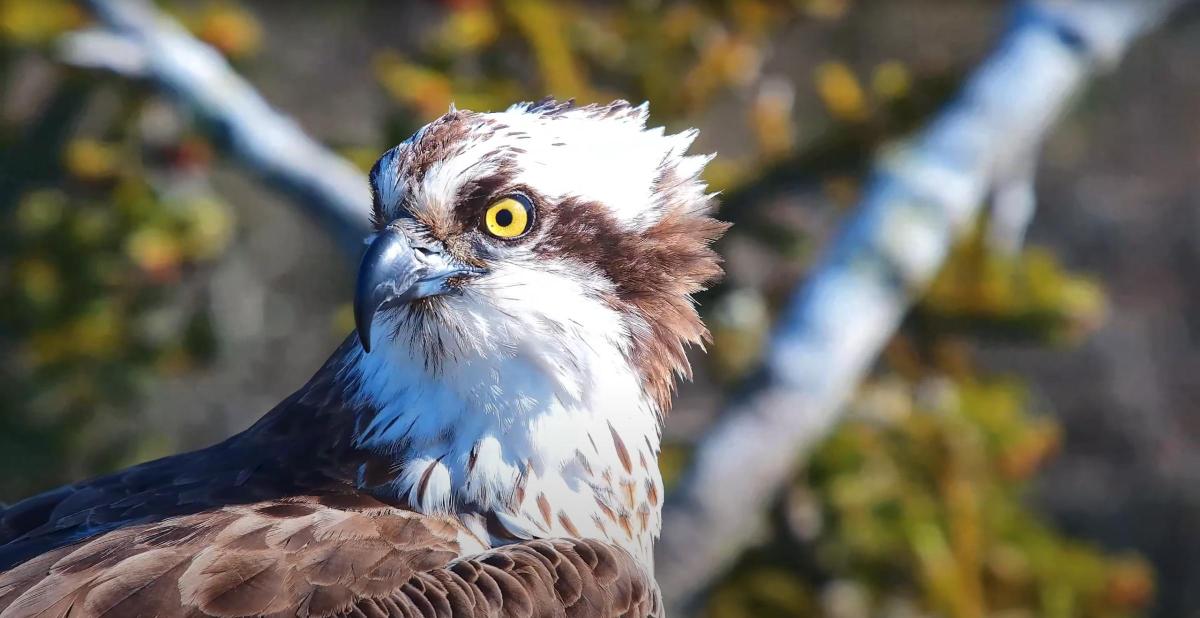
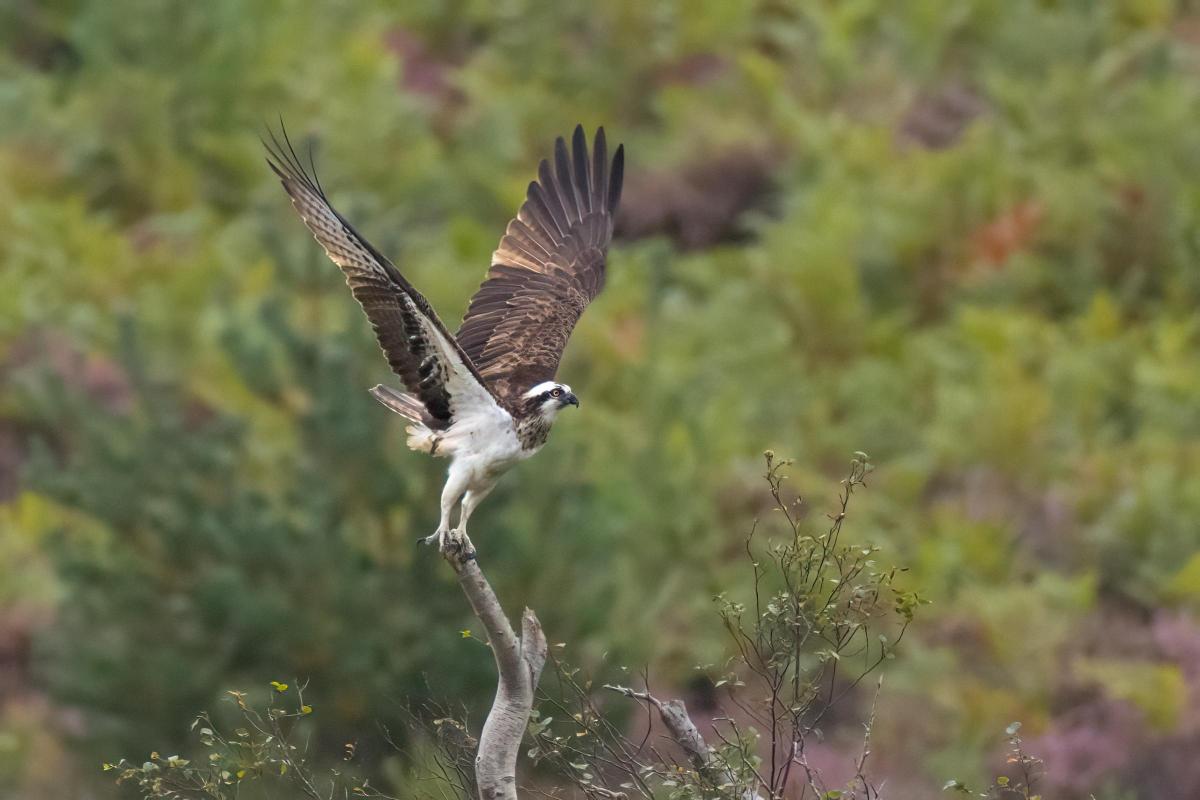

A small group of 'pioneering' ospreys could hold the key to restoring populations across the UK, according to a new study.
The research, led by Bournemouth University (BU) PhD researcher Brittany Maxted, examined 54 years of data on osprey recolonisation in northern Scotland and found that most birds settle near existing nests, limiting population spread.
However, a few pairs—dubbed 'pioneering pairs'—were found to nest more than 20km from others, helping to establish new subpopulations and accelerate recovery.
Ms Maxted said: "Through translocation we can essentially create our own pioneering birds to kickstart a new population.
Read more
Homemade solar eclipse video in Dorset reaches more than two million views
Poole Harbour named the best destination in England for a first-time boat trip
Residents urged by Bournemouth Water to cut back on water use
Beach hut tax reclassification as second homes leaves Dorset owners underinsured
Oceanarium Bournemouth welcomes new penguin chick to its Humboldt colony

"The first breeding pair in Poole Harbour was a male named 022 who we had translocated from Scotland, and a female named CJ7 who had visited from a population 200 km away and was attracted to stay by the presence of translocated chicks.
"In 2022, they hatched two chicks of their own, becoming the first breeding ospreys in Southern England since 1847.
"If it wasn’t for the translocation project, we may have had to wait another 60 years for breeding ospreys to reach Dorset naturally."
The study, published in the Journal of Animal Ecology, was conducted in collaboration with Birds of Poole Harbour and The Roy Dennis Wildlife Foundation.
Dr Tim Mackrill, lead ornithologist at the Roy Dennis Wildlife Foundation, said: "This study highlights how much the spatial expansion of ospreys relies on the long-distance dispersal of these rare pioneering individuals.
"It suggests that the best way to accelerate natural recovery rates is for conservationists to encourage or even replicate these pioneering movements.
"We can do this by building artificial nests to help entice ospreys into new areas or by physically moving individuals via translocation."
In Poole Harbour, a five-year translocation project began in 2017.
Young ospreys from Scotland were relocated to Dorset, contributing to the re-establishment of the species in southern England.
The original Poole Harbour pair has successfully raised chicks for three consecutive years.

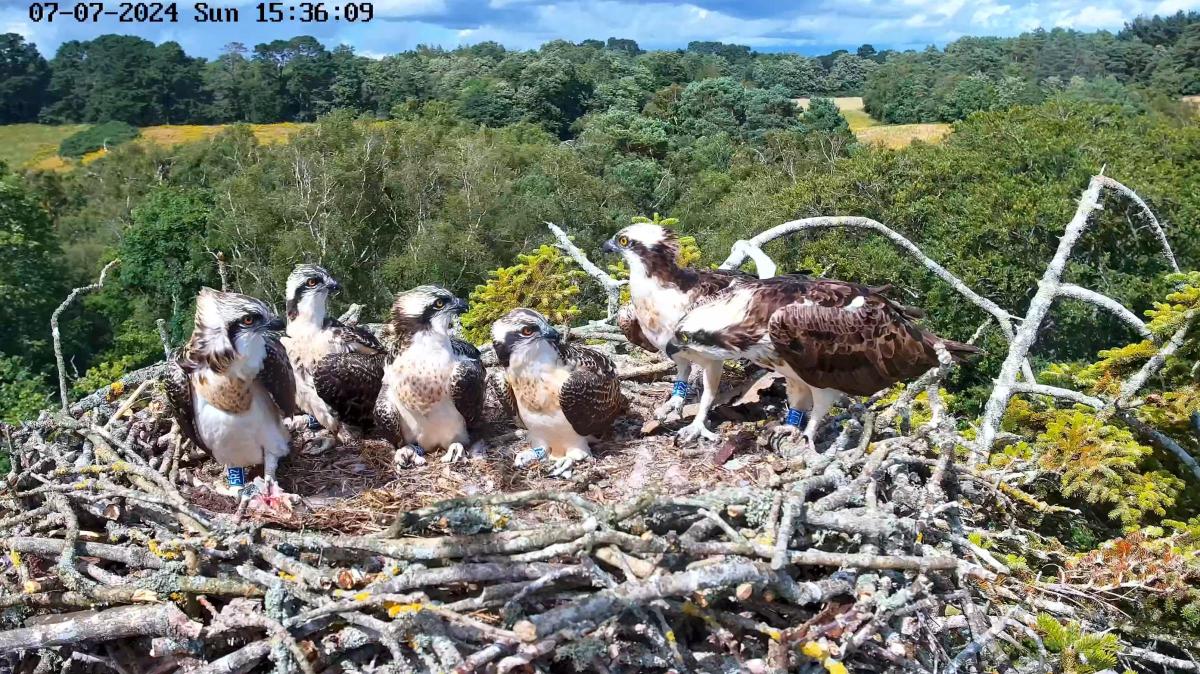
This summer, the pair hatched four chicks, all of which will remain in the area until they migrate in early September.
A second pair has now bred away from the harbour, and the programme's first wild-born chick is now breeding in the East Midlands.
These developments are bridging the gap between Poole Harbour and the nearest established population in Rutland Water.
For more information, visit the Roy Dennis Wildlife Foundation and Birds of Poole Harbour websites.


Share