




New town councils were controversially established last year – but is there a way of reversing the decision?
Local Democracy Reporter Amy Woodward is responding to readers after we invited them to ask questions about the new town councils.
Between March and June 2025, a consultation took place asking residents across BCP whether they wanted to establish new parish and town councils.
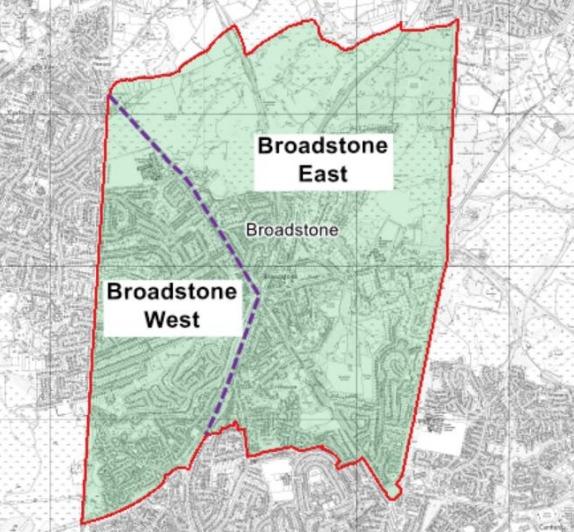
Six new councils were proposed in the consultation for Boscombe and Pokesdown, Bournemouth Town, Broadstone, Poole Town, Redhill and Northbourne, and Southbourne. Only three town councils were recommended to be implemented.
Read more
- “We’re losing Bournemouth’s much-loved community spaces. No more"
- “We believe Poole’s identity should be strengthened, not diluted"
- Animal Welfare Party sets out manifesto for town council elections
- Lib Dems pledge to 'bring pride back to the towns' if elected
- Bournemouth Labour group launches town council campaign
- Bournemouth West Conservatives set out vision for town council bid
- Party pledges to revive neighbourhoods if elected to new town councils
- Reform group pledges focus on 'lowest cost to local taxpayers' of new councils
Results of the consultation showed that of the residents who responded on average 74 per cent were against implementing new lower tier authorities.
As previously reported BCP Council spent £32,601.53 on the consultation for new Parish and Town Councils.
In October, BCP council formally voted on establishing the new town councils in Bournemouth, Broadstone and Poole.
To reverse the implementation of these new lower tier authorities a another Community Governance Review would need to be carried out by a party in control of BCP Council.
According to government guidance, it is possible for Community Governance Reviews to be triggered by local people presenting public petitions to the principal council.
If a petition is put forward it must contain one recommendation such as creating or dissolving a parish ward or council, alterations of boundaries, and changes to election arrangements.
The petition also needs a minimum number of signatures, depending on how many registered voters there are in the area.
- If the area has fewer than 500 voters, at least half of them need to sign the petition.
- If there are between 500 and 2,500 voters, at least 250 people need to sign.
- If there are more than 2,500 voters, at least 10 per cent of them need to sign.
Community Governance reviews are carried out to make changes to an area by:
- Creating, merging, altering or abolishing parishes
- Naming parishes and the style of new parishes (including the potential creation of town and parish councils)
- Electoral arrangements for parishes (including year of elections, council size, number of councillors to be elected, and parish warding)
- Grouping parishes under a common parish council or de-grouping parishes
- Other types of local arrangements, including parish meetings
The first stage of these consultation invites initial submissions from existing lower tier authorities, Dorset Association of Parish and Town Councils, MPs and local groups. The second stage considers these responses before taking them to full council.
After the full council agrees draft recommendations, the review enters the third stage for further consultation. The final stage considers consultation responses and representations and make final recommendations to Full Council.
The final recommendations are then approved by full council.
A Community Governance Review must be completed within 12 months of starting the process.


Share